House removals High Barnet guide narrow streets and parking
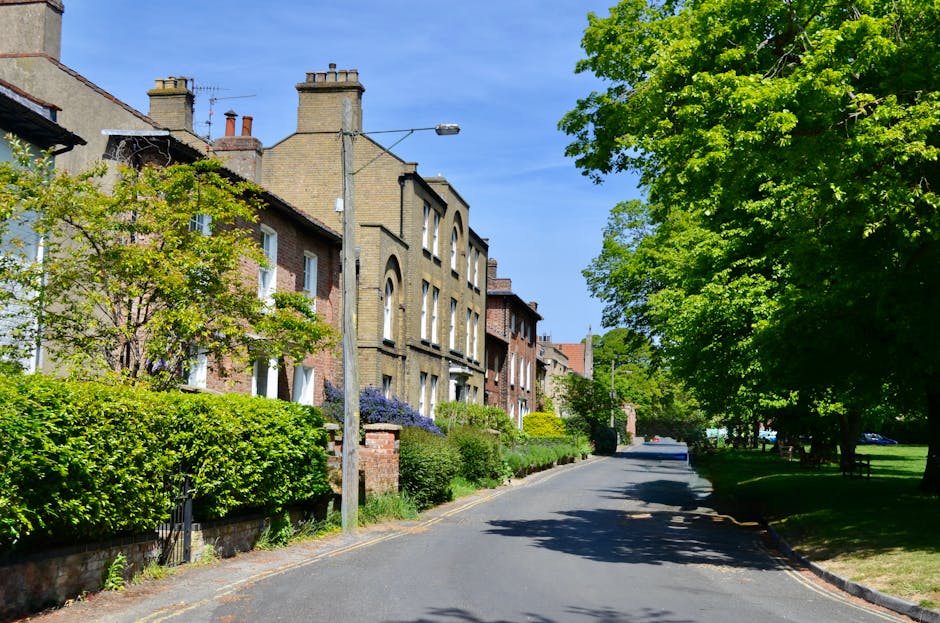
Moving house in High Barnet can be straightforward on paper and a bit fiddly in real life. Narrow roads, parked cars, awkward turns, and limited space outside front doors all change the way a removal day feels. If you are planning house removals in High Barnet, the best outcomes usually come from good preparation, clear parking plans, and a removal team that understands tight local access. Truth be told, that matters more than people expect.
This guide walks you through the practical side of moving in and around High Barnet, especially where street width, loading space, and parking restrictions can affect the whole day. You will find step-by-step advice, common mistakes, a useful checklist, and a few real-world observations that can save a lot of stress. It is written to help you think ahead, not just react on the day.
- Why narrow streets and parking matter
- How the moving process works
- Key benefits and practical advantages
- Who this is for and when it makes sense
- Step-by-step guidance
- Expert tips for better results
- Common mistakes to avoid
- Tools, resources and recommendations
- Law, compliance, standards and best practice
- Options and comparison table
- Case study or real-world example
- Practical checklist
- Conclusion
- Frequently asked questions
Why House removals High Barnet guide narrow streets and parking Matters
High Barnet has plenty of residential streets where access can be tighter than it looks from a map. A van that seems manageable in theory may struggle once it meets parked cars on both sides, a sharp bend, or a road where two-way passing is not exactly comfortable. For removals, these are not minor details. They affect timing, labour, safety, and sometimes cost.
If the vehicle cannot park near the property, every box, chair, and mattress has to travel further by hand. That adds time and makes the move physically harder. A few extra metres do not sound like much until you are carrying a wardrobe down a front path, around a car, and back again. It is one of those things that sounds simple right up until the first trip.
Narrow streets also change the way crews load and unload. Drivers may need to stop in a safer position, use a smaller vehicle, or plan for shuttle runs between the property and the van. In some homes, especially terraces and older properties, the front access may be fine but the road layout creates the bottleneck. That is where local know-how becomes useful.
Parking is the other big factor. If a bay, permit, or loading area is needed, the move can be delayed by a surprisingly small issue. A neighbour's van, a delivery truck, or even a school run can throw off a tidy schedule. So the point of planning is not to make the move perfect. It is to make it resilient when the street is a little less cooperative than you hoped.
For a broader overview of domestic moving support, it can also help to look at house removals and the wider home moves service options so you can match the job to your property, access and load size.
How House removals High Barnet guide narrow streets and parking Works
The process starts before moving day, ideally when you first request a quote. A good removal company will ask about access as part of the survey or booking conversation. They may want to know the street width, whether there is on-street parking, if a large van can fit outside, and whether there are any steps, gates, or long carries from the road to the front door.
From there, the move is usually planned around three things: vehicle size, parking position, and carrying distance. Those three interact. A smaller vehicle might be easier to place near the property, while a larger truck could mean fewer trips but more difficulty parking. It is a trade-off, not a one-size-fits-all answer.
In many High Barnet moves, the best approach is to keep the vehicle as close as safely possible and make sure the route from home to van is clear. That may mean asking neighbours not to block the pavement edge, moving your own car the day before, or placing items in the hallway so they can be loaded quickly once the van is in position. Small efficiencies add up fast.
Professional movers will also think about safety, load order, and timing. If the road is especially tight during school drop-off hours or commuter peaks, they may schedule the arrival when access is calmer. If there is limited parking outside, they may recommend a shorter arrival window so the van is not left circling the area. That sounds obvious, but plenty of moves go sideways because the van arrived at the worst possible minute.
Some households benefit from pairing house removal support with man with van style help for smaller loads, or with removal van options where the access is tight and flexibility matters more than bulk capacity.
Key Benefits and Practical Advantages
Planning for narrow streets and parking does more than reduce hassle. It creates a move that is calmer, safer, and easier to control. That may sound a bit grand, but it is true. Once parking is sorted, the whole day tends to breathe easier.
- Less wasted time: The crew spends more time moving your belongings and less time searching for a space.
- Lower physical strain: Shorter carrying distances mean less lifting fatigue and fewer awkward manoeuvres.
- Reduced damage risk: Careful loading from a sensible parking point lowers the chance of scuffed furniture or clipped walls.
- Better schedule control: If access is planned, delays are less likely to snowball into a longer day.
- Clearer cost expectations: When a quote reflects access conditions, there are fewer unpleasant surprises.
There is also a psychological benefit, and honestly that matters. Moving house can feel noisy and chaotic; a well-planned parking arrangement removes one of the biggest unknowns. You know where the van is going to sit. You know who is moving what. You know the first lift will not involve a marathon down the street.
For people comparing service levels, it is often worth checking whether the provider can support related needs too, such as packing and boxes or packing and unpacking services. Those services can trim the moving-day pressure when access is already a headache.
Who This Is For and When It Makes Sense
This guide is useful if you are moving from a terraced house, a converted property, a maisonette, or any home where the road outside is not exactly spacious. It is also relevant if your street has resident parking, controlled parking, or a pattern of busy daytime use that makes stopping awkward.
You will especially benefit from this approach if:
- your road is narrow or one-way;
- parking is usually full by mid-morning;
- you live near a school, high street, or commuter route;
- your property has a long walk from the pavement to the front door;
- you are moving a large family home with a lot of furniture;
- you have items that are heavy, fragile, or awkwardly shaped;
- you are working to a fixed handover time, such as after a sale completion.
It also makes sense if you are moving something more specific alongside the main house contents. For example, bulky furniture or specialist items may need careful sequencing, which is where furniture removals or even piano removals become relevant.
If you are a student, a first-time renter, or moving a lighter load, the same access issues still matter, just on a smaller scale. The street does not care whether you own a full dining set or three black bags and a desk lamp. Tight access is tight access.
Step-by-Step Guidance
Here is the practical sequence that usually works best for house removals in High Barnet where streets and parking need careful thought.
- Check your access early. Look at the road outside the property at different times of day. Notice where cars usually sit, where turning is awkward, and whether there is space to pause without blocking traffic.
- Measure the important bits. Doorways, hallways, stairs, tight corners, and the distance from property to kerb all matter. You do not need a laser-precise survey, but rough measurements help.
- Decide what vehicle size is realistic. Sometimes a larger truck is efficient; sometimes a smaller van is smarter because it can actually get where it needs to go.
- Plan parking in writing. Confirm whether any permit, bay suspension, or temporary loading arrangement is needed. Keep the plan simple and share it with everyone involved.
- Prepare the property the day before. Box up loose items, remove anything from cupboards that could spill, and keep a clear path to the exit.
- Reserve the space you control. Move your own vehicle if it blocks the road or driveway. Ask neighbours politely if a short clear zone is needed.
- Load in a sensible order. Heavy and awkward items first, essentials last. That makes unloading at the new place easier too.
- Keep a small essentials bag. Kettle lead, chargers, documents, medication, toilet paper, and a clean cloth can save the day. Ridiculously small things become very important by 8 p.m.
If you are booking a vehicle-based service, compare the available options carefully. A man and van style move can work well for lighter, faster jobs, while a larger moving truck may suit bigger household loads if the street can accommodate it. There is no prize for picking the biggest vehicle if it cannot park.
Expert Tips for Better Results
In our experience, the smoothest moves are the ones where the access plan is treated as seriously as the packing. Here are a few practical things that make a real difference.
- Photograph the street outside your home. A few clear photos help when explaining the access situation during booking. They also reduce misunderstandings later.
- Think about timing, not just distance. A road that is easy at 9 a.m. may be painful at 3 p.m. If you can choose, choose the calmer window.
- Label fragile or awkward items clearly. Movers need to know which box should not be stacked under a mattress or pushed into a tight corner.
- Break large jobs into zones. Front room, upstairs, kitchen, loft. This keeps the loading process tidy when parking is limited.
- Leave room for the unexpected. A neighbour may park badly. A delivery van may appear. A plan with a bit of breathing space is worth its weight in tea.
One small but useful detail: if your move includes furniture that you are not taking with you, decide that early. Last-minute decisions about disposal slow everything down. A separate furniture pick-up can be more efficient than trying to wedge a spare sofa into a moving day that is already full.
And yes, you will notice the difference when the loading route is tidy. Less shouting, less backtracking, less of that awkward moment when someone says, "I thought that would fit."
Common Mistakes to Avoid
Most moving problems in narrow streets are surprisingly avoidable. The trouble is they are easy to underestimate.
- Assuming a van can just stop anywhere. In a busy residential road, stopping points are often the difference between a smooth move and a blocked one.
- Not checking parking restrictions. Even if you have parked there before, moving-day timing can change what is realistically possible.
- Leaving access checks until the morning of the move. By then, it is a bit late to discover the van cannot swing in.
- Overpacking boxes. Heavy boxes are harder to carry from a distant parking spot and more likely to split under pressure.
- Forgetting to warn the removal team about stairs or split-level layouts. Those details affect labour and time more than people think.
- Ignoring nearby obstacles. Low branches, tight gates, steep front steps, and railings can all slow things down.
A quiet but common mistake is being too optimistic about what the street can handle. "It should be fine" is not a plan. It is a hope. Nice to have, but not enough on moving day.
If you are comparing providers, make sure you understand their pricing approach too. A clear breakdown through pricing and quotes is often a good sign that they are thinking about access, not just distance.
Tools, Resources and Recommendations
You do not need a suitcase full of specialist kit to move well, but a few practical tools help a lot.
- Mobile phone with charged battery: Useful for driver coordination and last-minute access updates.
- Masking tape or labels: For marking rooms, fragile items, or boxes that must stay upright.
- Measuring tape: Handy for checking furniture widths and stair turns.
- Protective blankets and covers: Better for furniture protection when carrying through tight access routes.
- Bin bags and cleaning cloths: Good for loose odds and ends and for leaving the property tidy.
- Notebook or move sheet: A simple written list keeps everyone on track when the day gets busy.
On the service side, it can help to choose a provider whose support matches the move size. For example, removal services cover broader moving needs, while removals may suit general household moves with straightforward coordination. If you need somewhere temporary for belongings, storage can be a sensible buffer when access or completion dates do not line up neatly.
For people moving out of flats or converted buildings, the same access logic often applies even more sharply. A short walk from the parking point to the lift or staircase can make a flat move feel much bigger than expected. In those cases, flat removals can be the better fit.
Law, Compliance, Standards and Best Practice
Moving house is not usually a heavily regulated activity for the customer in the way that some trades are, but there are still important standards and practical duties to respect. The safest approach is to work with a company that treats health, insurance, and security seriously.
For example, a mover should consider safe lifting, safe loading, and careful vehicle positioning, especially where roads are narrow and pedestrians may need a clear path. Best practice also means keeping access safe for neighbours, avoiding unnecessary obstruction, and not forcing risky manoeuvres just to save a few minutes.
It is sensible to ask about insurance and how items are handled during loading and transit. That becomes even more relevant in tight access where the chance of knocking a wall, gate, or railing is higher. A company that is transparent about its insurance and safety position is usually more reassuring to deal with.
Good practice also includes honest communication. If the van cannot legally or safely park directly outside, say so early. If a parking spot is only available for a limited window, say that too. The aim is not to make the move sound perfect. It is to make the plan realistic.
On top of that, many households now care about waste handling and reuse. If you are discarding unwanted items, it is worth choosing a mover who takes recycling and sustainability seriously rather than treating everything as rubbish. A tidy move can still be a considerate one.
Options, Methods, or Comparison Table
Different properties in High Barnet call for different moving methods. The right choice depends on access, volume, and how much parking flexibility you have. This quick comparison may help.
| Option | Best for | Strengths | Watch-outs |
|---|---|---|---|
| Man and van | Smaller house moves, lighter loads, flexible access | Easier to place in tight streets, often quicker for compact jobs | May require more trips for larger homes |
| Removal van | Medium household loads, mixed access conditions | Good balance of size and manoeuvrability | Needs sensible parking planning in busy roads |
| Moving truck | Large family homes where access is broad enough | Can carry more in one journey | May be awkward or impossible on tighter streets |
| Full removal service | Complex home moves, many items, limited time | Most support, best for organised loading and planning | Usually requires the most detailed access briefing |
There is no universal winner here. If your street is tight and parking is unpredictable, a smaller, more flexible vehicle may actually outperform a bigger truck. That is one of those mildly annoying truths about moving. Bigger is not always better.
Case Study or Real-World Example
Consider a typical High Barnet terrace move. The property has a short front path, cars parked on both sides of the road, and enough room for a van only if one neighbour leaves early. The household has a sofa, two wardrobes, a double bed, several boxes, and a dining table that seems to have been designed by someone with a grudge.
On paper, this could have turned into a drawn-out day. Instead, the move was handled in a simple sequence. The occupants moved their own car the evening before. Boxes were stacked by room. The movers arrived early, before the road became busy. The van was positioned as close as possible without blocking access. Items were loaded in the order that made sense for the new property, not just the order that looked tidy in the hallway.
The result was less dramatic than a stressful move often is. Fewer pauses. Fewer double-handlings. No frantic reshuffling because the street became too full halfway through. The family still had a long day, of course. Moving always feels a bit like that. But it was manageable, and nobody spent the afternoon glaring at a parked car that should have moved three minutes earlier.
That is the larger lesson here: good access planning does not remove the work, it removes the avoidable friction.
Practical Checklist
Use this checklist a few days before moving day. Keep it simple. A short list you actually complete is better than a perfect plan you never look at again.
- Confirm the moving date, arrival time, and contact details.
- Check street width, turning space, and likely parking position.
- Look for parking restrictions, loading limits, or resident bays.
- Measure any tight doorways, stairs, and hallway corners.
- Move your own car if it could block access.
- Tell the mover about fragile, heavy, or awkward furniture.
- Decide what is being moved, stored, donated, or collected separately.
- Pack an essentials bag with documents, chargers, medication, and basics.
- Keep boxes labelled by room and priority.
- Clear the hallway, path, and front steps before the crew arrives.
- Have a backup plan if the closest parking space is taken.
- Leave a little buffer in the schedule. Always useful, that.
If your move involves a smaller load or a time-sensitive handover, you may also want to look at same day removals or student removals depending on the situation. Not every move needs the same setup.
Get a free quote today and see how much you can save.
Conclusion
House removals in High Barnet are often less about brute force and more about planning. Narrow streets, parked vehicles, and awkward parking can make a move feel bigger than it is, but once those issues are handled properly, the whole day becomes much easier to manage.
The key is to treat access as part of the move itself, not as an afterthought. Measure the street. Think about vehicle size. Be honest about parking. Keep the packing organised. Those small decisions create a much calmer experience, especially in busy London neighbourhoods where the margin for error is not huge.
If you are choosing a provider, look for clear communication, sensible planning, and a practical understanding of local access. A move handled well in a tight street can feel almost oddly smooth. Not magical. Just well prepared.
And after all the boxes are in, the kettle is found, and the front door finally closes behind you, that quiet little pause in the new place is worth a lot. Fresh start, same tea. Best kind of day, really.
Frequently Asked Questions
How do I prepare for house removals in High Barnet with narrow streets?
Start by checking the street at a couple of different times of day, then plan where the vehicle can park safely. Measure anything likely to slow the job, such as tight gates, low steps, or a long walk from kerb to front door.
Do I need a parking plan for a house move?
Usually, yes. A clear parking plan helps the crew arrive, load, and leave without delay. Even if you do not need a formal permit, knowing where the van can stop is a big help.
Is a smaller van better for tight High Barnet roads?
Sometimes it is. A smaller van can be easier to position in narrow streets, especially where parking is limited. For larger homes, though, a bigger vehicle may still be more efficient if the road can accommodate it safely.
What if the removal van cannot park outside my house?
If the van cannot park directly outside, the crew may need to use a nearby safe space and carry items a little further. That is common in London streets. It usually works fine if it has been planned in advance.
How much does parking affect the cost of a move?
Parking can affect the time and effort needed, which may influence the quote. The exact impact depends on how far the team has to carry items, how busy the road is, and what vehicle size is appropriate.
Should I move my car before the removal team arrives?
Yes, if your vehicle blocks the best loading point. It is one of the simplest ways to make the day easier. A small clear space can save a surprising amount of time.
What happens if neighbours park outside on moving day?
This happens more often than people expect. A good mover will usually adjust the plan, but it helps to have a backup parking option and to keep everyone updated early in the morning.
Can I use a man and van service for a house move?
Yes, if the load is smaller or the property access is tight. A man with a van arrangement can be a sensible fit for compact moves, though larger households may need more capacity.
What should I tell the removal company before moving day?
Tell them about parking, road width, stairs, long carries, fragile items, and anything unusually heavy. The more honest the access information, the better they can plan the job.
Do I need to worry about insurance or safety?
Yes, it is sensible to check. Good movers should be clear about how they handle items safely and what cover is in place. That matters even more in tight streets, where careful handling is essential.
What if I also need to store some items?
Then storage can be part of the moving plan. It is especially useful if completion dates shift, if the new home is not ready yet, or if you want to reduce the amount of furniture moved on the main day.
How far in advance should I book a move in High Barnet?
As early as you reasonably can, especially if you need a particular date or if access is tricky. Narrow streets and parking constraints make good planning more important, not less.
What is the most common mistake people make with parking?
Assuming it will be fine on the day. In reality, parking is often the first thing that causes a delay. Checking it early and planning for a backup spot makes life much easier.
For more information about the company, you may also want to review the about us page, or if you are ready to talk through your move, use the contact us page to start the conversation.